
Sustainability
Environmental Initiatives
At Energy Support, we reduce our CO2 emissions and electricity consumption through resource and energy conservation practices, resulting in a recycling rate of over 98%. Under our ISO 14001 certified management system, the Company has implemented actionable measures such as LED conversion and installing gas recovery equipment, and is constantly searching for new ways to reduce our environmental impact.
Reducing Environmental Impact
Electricity Usage
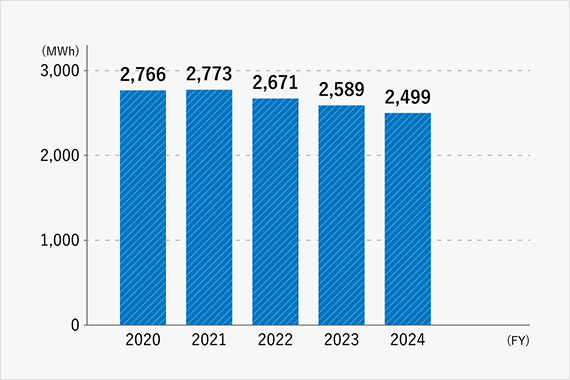
The Energy and Resource Conservation Committee is implementing a power saving initiative to switch from fluorescent to LED lighting. Since 2021, monthly electricity usage has shown steady declines, and tangible effects are already being felt within the Company.
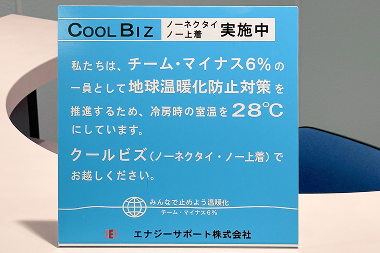
Additionally, each department is working to cultivate energy-saving awareness through everyday efforts such as improving air conditioning efficiency, enforcing strict temperature management, and turning off lights during breaks.
Chemical Substance Usage
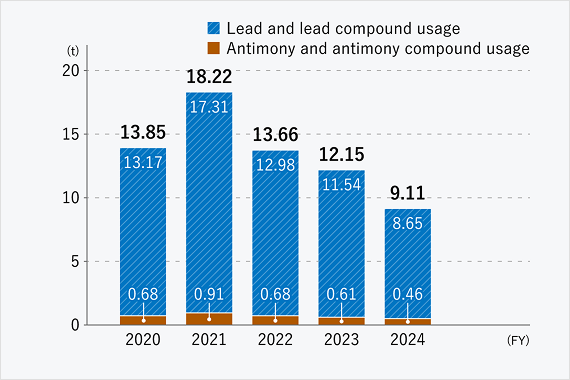
In order to reduce hazardous substances in our products to better protect both human health and ecosystems, we are implementing substitution plans for target chemical substances.
Additionally, we prioritize sourcing more environmentally conscious materials and components, thereby promoting environmental impact reduction across our entire supply chain.
Water Usage
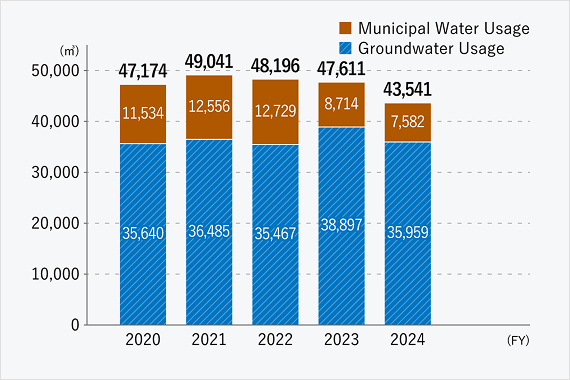
Energy Support uses groundwater for some production processes and is constantly searching for ways to reduce the amount we use.
Wastewater Volume (Including rainwater)
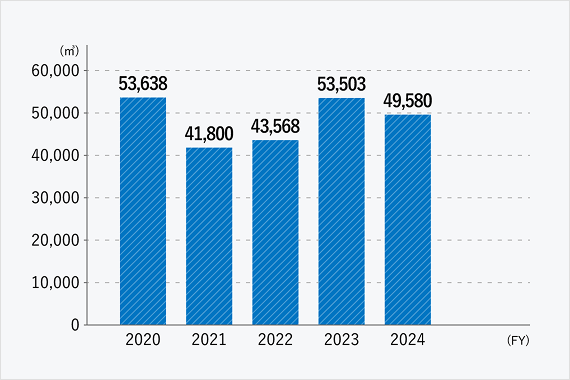
By implementing appropriate wastewater management systems, we strive to reduce the negative impact on nearby rivers and preserve water quality.
CO2 Emissions (energy-related)
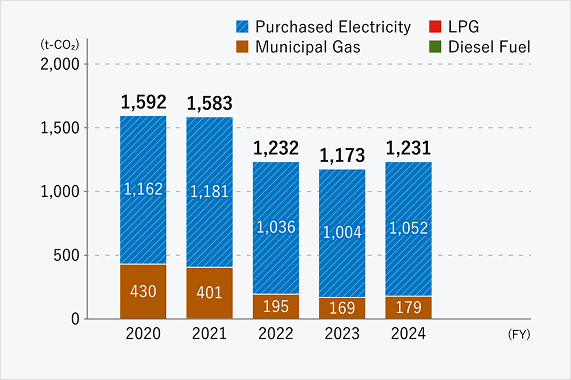
Since fluctuations in Energy Support's CO2 emissions are primarily driven by the amount of electricity consumed during production, our technical and production departments are collaborating to constantly find new ways to increase efficiency and reduce emissions.
*CO2 emissions from LPG for FY2020–FY2024 are zero and therefore not shown in the graph.
*CO2 emissions from diesel fuel for FY2024 are zero and therefore not shown in the graph.
Airborne Pollutants (Nitrogen Oxides, NO2)
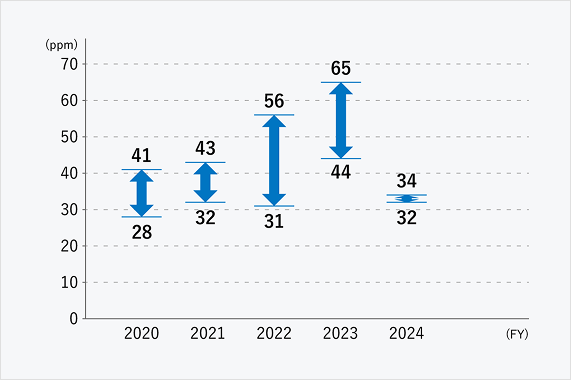
At Energy Support factories, we enforce strict protocols and oversight to prevent air pollution from soot, smoke, and exhaust gases generated by boilers.
Furthermore, we proactively conduct regular equipment inspections, maintenance, and soot and smoke emission measurements to maintain a management system that minimizes emissions.
Waste
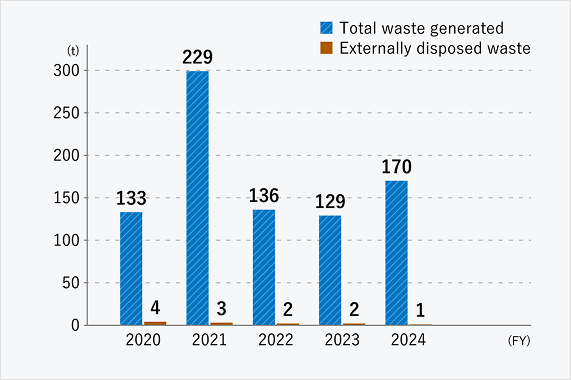
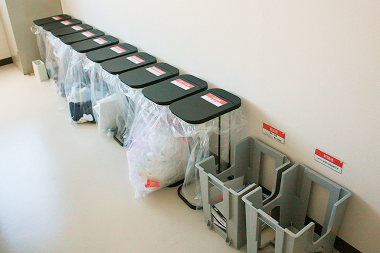
Under the motto, "If it's sorted, it's not trash," the Waste Management Committee is spearheading efforts to promote thorough waste sorting, collection, and recycling.
In FY2019, the volume of externally disposed waste increased by approximately 15 tons due to a subsidiary merger. In FY2021, our total generated waste increased due to internal reorganization. Moving forward, we will continue to search for ways to reduce waste while identifying the root causes.
Environmental Management System
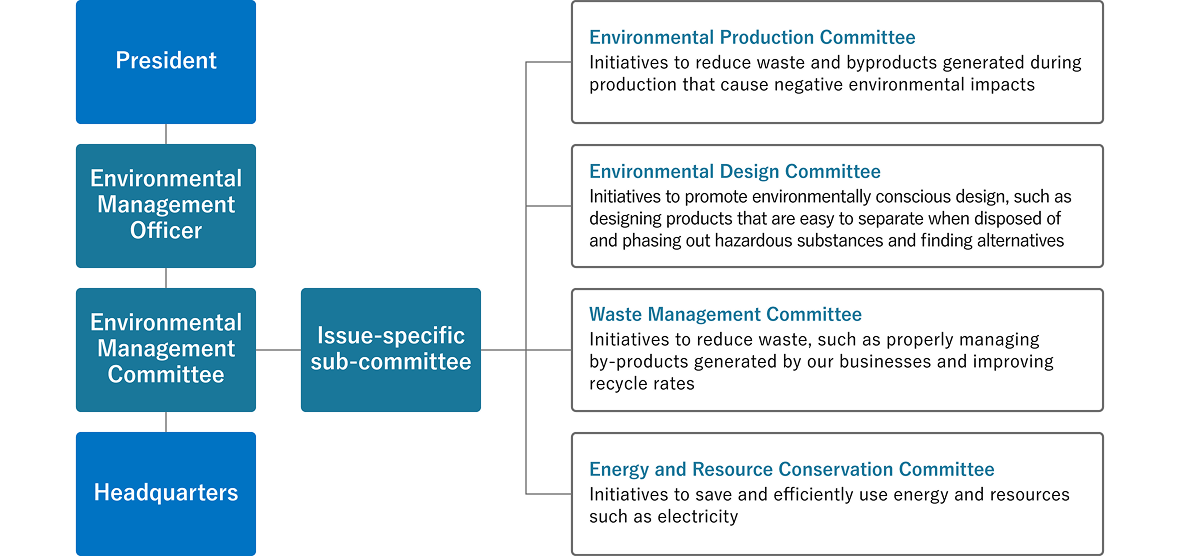
The Company's environmental protection policies and initiatives are reviewed and decided by the Environmental Management Committee, chaired by the Environmental Management Officer (a director), and by management meetings as necessary.
We value the international standard ISO 14001 for environmental management systems as an effective tool, therefore, we have obtained certification and regularly conduct internal and external audits.
In addition, we also conduct training and awareness programs aimed at implementing our environmental policies through opportunities such as new employee training and departmental education programs.
Environmental Protection Initiatives
ISO 14001 and Environmental Audits
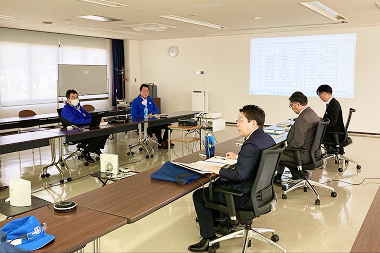
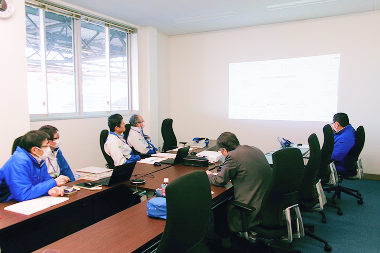
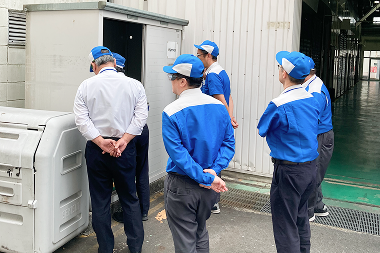
Having recognized the effectiveness of the international environmental management system standard ISO 14001 as a tool for environmental conservation, Energy Support has obtained certification and is now in its 26th year (as of October 2025) of environmental protection efforts. We understand that addressing environmental issues is a shared challenge for all humanity and an essential requirement for the Company's long-term growth and survival, therefore we proactively promote initiatives that tackle such issues. In addition to regular internal environmental audits that provide opportunities for the continuous improvement of our environmental management system, we also have regular audits conducted by external certification bodies. Our 17th surveillance audit was conducted in May 2025, and confirmed that the environmental management system adopted by us and our affiliate companies is fully compliant.
Education and Awareness
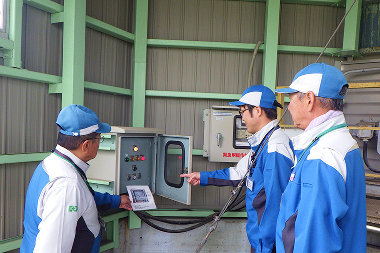
At Energy Support, we incorporate environmental fundamentals training into our new employee training curriculum and conduct ongoing employee education. Furthermore, at the start of each fiscal year, we develop training plans tailored to employees' job functions and then each department uses these plans to implement its own environmental education programs, such as self-awareness training, environmental protection personnel training, and emergency drills, to maintain competency.
Furthermore, as part of our day-to-day environmental awareness activities, the Company clarifies individual roles within its environmental policy and EMS (Environmental Management System), displays these roles on EMS cards, and has them carried around to promote company-wide implementation.
Environmental Activities and FY2024 Results
| Managing Organization | Initiative | Objectives | FY2024 Results |
|---|---|---|---|
| Environmental Production Committee | [Management of CO2 emissions from boiler operations] Monitoring of municipal gas usage for steam boilers | Monitor monthly municipal gas usage | Conducted monthly monitoring and measurement of municipal gas usage (No abnormalities) |
| [Management of water usage in zirconia sensor production] Monitoring of cooling water usage in cell firing kilns |
Monitor monthly water usage | Conducted monthly monitoring and measurement of water usage (No abnormalities) |
|
| Environmental Design Committee | [Compliance with environmental materials regulations] Compliance verification complete |
Management tool for chemical substances in products Development of COLMINA database | Environment tree set up for each additional product type |
| Confirm consistency between materials checklists and COLMINA database | Confirmed consistency of 12 main product types | ||
| COLMINA operational trials | Improvement of identified issues | ||
| [Compliance with Industrial Safety and Health Act regarding appropriate use of adhesives and repair coatings] Switch to alternatives and phase out repair coatings |
Promote replacement or discontinuation of adhesives and repair coatings used in manufacturing processes not covered by localized exhaust systems | Implemented replacement and discontinuation of repair coatings | |
| Waste Management Committee | [Improve recycling rates] Reduce unused waste |
Complete review and proposal | Conducted studies on weights, quantities, and disposal costs Completed proposal to reduce unused waste (cement, adhesives, etc.) |
| [Improve recycling rates] Efficient utilization of unneeded materials |
Materials efficiently utilized: 1.0t | Materials efficiently utilized: 1.18 tons (scrap iron: 0.69 tons, waste plastic: 0.49 tons) | |
| [Improve recycling rates] Eliminate errors in waste sorting |
0 complaints from collection companies Monthly distribution of environmental information |
0 complaints from collection companies Monthly data released by the 15th of following month |
|
| Energy and Resource Conservation Committee | [Promote energy conservation] Establish sustainable energy conservation frameworks |
Monthly electricity usage tracking and reporting Improve accuracy of departmental electricity usage data |
Monthly electricity usage data posted on internal bulletin boards Electricity meters installed (new: 8 locations, replacement: 1 location) 100% complete |
| Promote energy conservation Reduce monthly electricity usage by 2.5MWh |
Monthly electricity usage reduced by 2.72MWh | ||
| Look into energy generation | Gathered information on energy generation (renewable energy adoption and solar power installation) | ||
| Environmental Management Committee | [CO2 emissions management] CO2 emissions monitoring | CO2 emissions monitoring | Calculated CO2 emissions from electricity, municipal gas, LPG, and diesel fuel used in production |
| [Fluorocarbon management] Fluorocarbon leak prevention | Inspection and maintenance of fluorocarbon equipment Appropriate disposal of fluorocarbon equipment |
Implemented simplified quarterly inspections (legal compliance) Arranged appropriate disposal through fluorocarbon recovery (received disposal certificates) |
|
| [Promote greening] Local greening initiatives |
Maintain 11.4% green coverage | Maintained 11.4% green coverage | |
| [Promote biological diversity and conservation] Continue individual action declarations |
Company-wide implementation | New employee training My Action Declaration |